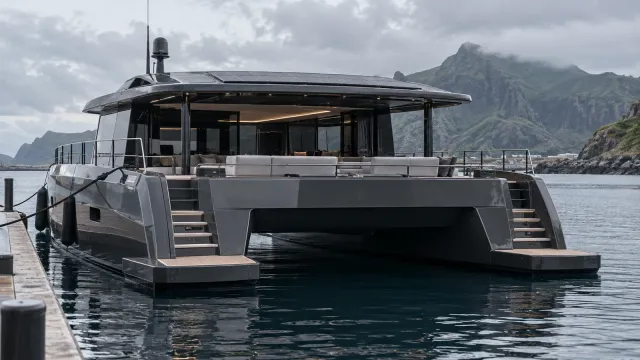
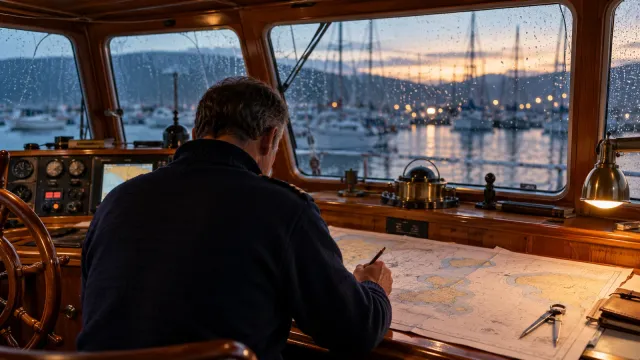
Multigenerational Family Yacht Charter: A Practical Guide for Three Generations
Choose cabins, access, supervision, meals and flexible activities for a yacht holiday shared by children, parents and grandparents.
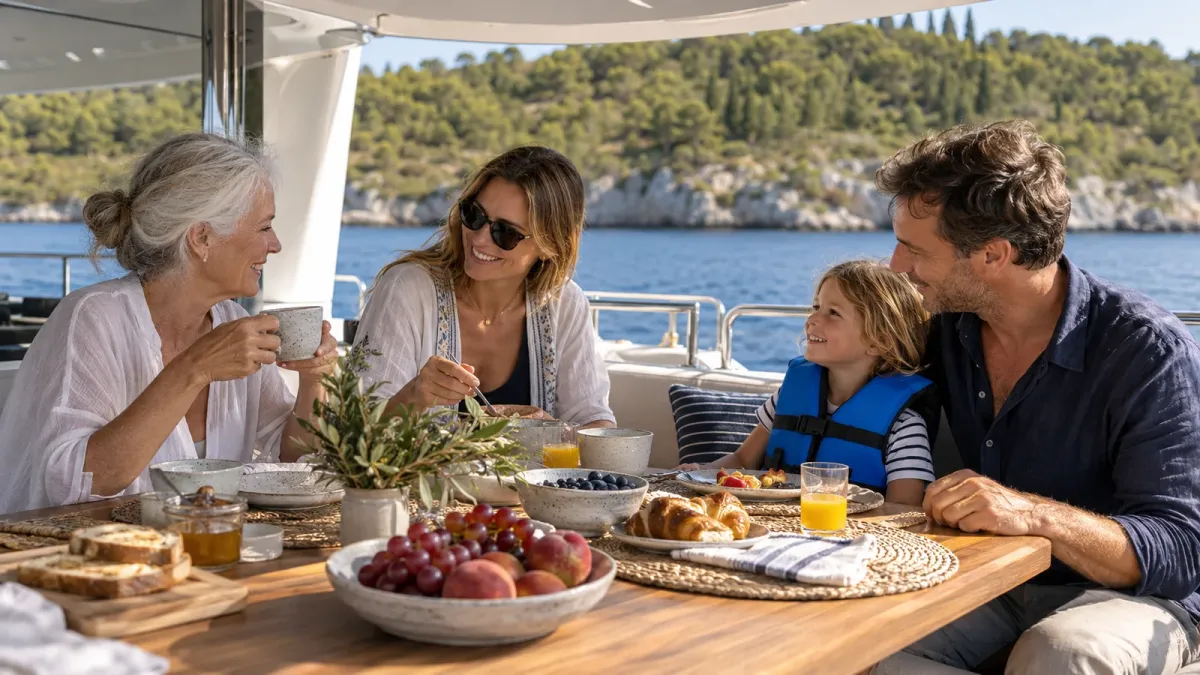
A family yacht charter can bring grandparents, parents and children together without requiring everyone to follow the same timetable. It can also expose awkward cabin arrangements, difficult steps and competing expectations surprisingly quickly. The difference usually begins with the booking brief: describe how the family lives, moves and spends time before choosing the yacht.
For a multigenerational group, the best vessel is the one that supports everyday routines with the least friction. More length or a larger water-toy list may help, but neither answers the important questions about sleeping, boarding, meals and supervision. This guide sets out a practical way to compare boats and plan a week that works across ages.
Why family charter is an international topic
In its July 2026 charter demand review, Burgess identifies multigenerational family travel among the drivers of demand for private, personalised holidays. This is evidence from the broker's perspective, not a claim that every charter market has the same guest mix or that the theme has a verified keyword ranking.
The planning implication is straightforward: one party can contain several different holiday briefs. Grandparents might value calm mornings and easy shore access. Teenagers may want activities. Parents may want time together without organising every meal. A useful proposal acknowledges those differences rather than treating the family as a single average guest.
Build a rooming plan before a destination list
List the people who will share each cabin, including children. Then ask for the yacht's actual bed configuration and permitted guest capacity for your booking. A nominal sleeping capacity can include arrangements that do not suit your family. Confirm whether twin beds convert, whether additional berths are appropriate and which bathrooms serve each cabin.
Consider noise and separation as well as bed size. Parents may want a child's cabin nearby, while another guest needs quiet early in the evening. Ask where the cabins sit relative to machinery, service areas and other guest spaces. A floor plan combined with a short video walkthrough often answers more questions than a glossy bedroom photograph.
Follow the entire route through the yacht
Think beyond the boarding gangway. Trace the route from the arrival point to the assigned cabin, bathroom, dining table and favourite daytime seating. Count changes of level and ask about handrails, thresholds and door openings. A main-deck cabin is helpful only if the spaces the guest needs can also be reached comfortably.
If someone has a specific mobility requirement, describe it accurately and request measurements or a live walkthrough of the exact boat. Do not treat a broad accessibility label as enough. The operator must assess whether the yacht and the intended transfers are appropriate, and the guest should understand the practical limits before booking.
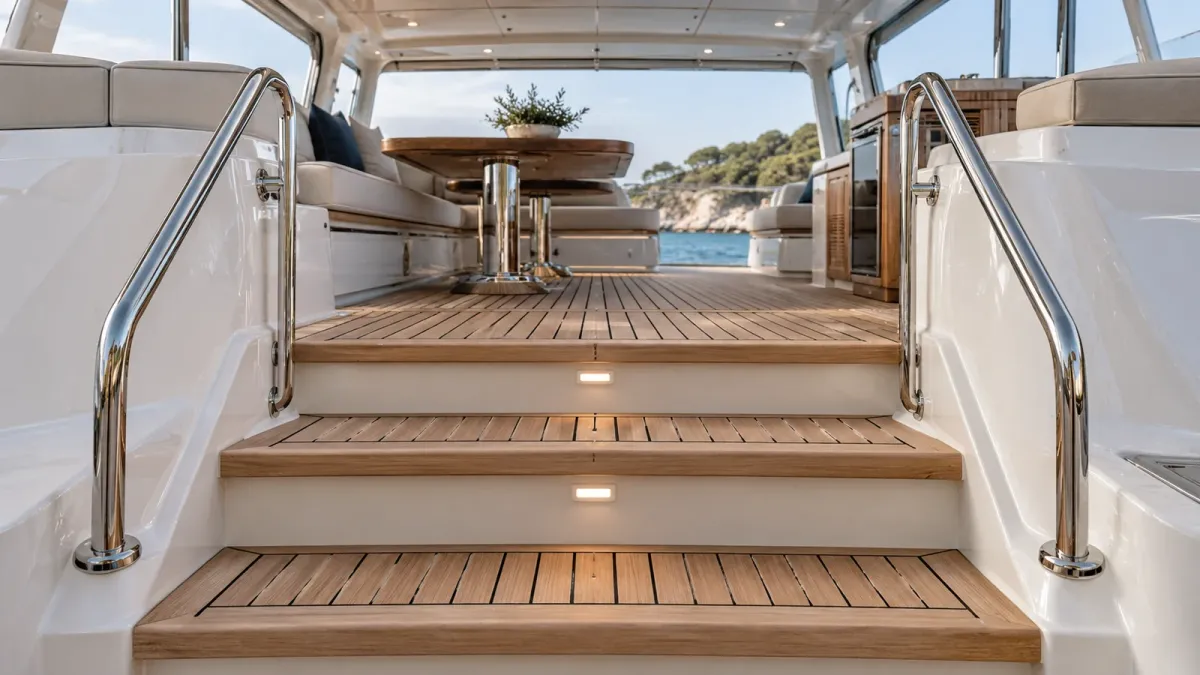
Agree on child supervision explicitly
A professional crew operates the yacht and provides the agreed service, but families should not assume that this includes childcare. Ask whether an additional qualified caregiver can be arranged, who employs that person and how the duties are defined. If parents remain responsible, agree among the adults how supervision will work throughout the day.
Discuss suitable lifejackets, deck access, swim-platform arrangements and the crew's briefing for children. Ask about rules during manoeuvring and water activities. The captain's operating rules should be understood by all adults. A child-friendly description in a listing is a starting point for questions, not a substitute for the safety arrangements of the actual charter.
Design days with a shared centre
Choose one activity or meal that brings everyone together, then allow different levels of participation around it. A morning shore visit can have a short option and a longer guided walk. Some guests can stay aboard if the crew confirms that the service and supervision arrangements support that choice.
Ask the captain for a route with manageable daily transfers and useful alternatives. A long passage to a famous stop may be less enjoyable than a nearby visit followed by a relaxed afternoon. Consider how motion, heat and fatigue affect each person. The objective is a week the group enjoys together, rather than collecting the largest possible number of place names.
Make meals part of the plan
Send dietary preferences early and distinguish allergies from dislikes. Use the operator's requested process for providing sensitive information. Ask the chef what can be accommodated, whether special ingredients can be sourced and how meal times can work for children and adults without creating continuous separate service.
A simple arrangement might include an earlier children's meal on some evenings, shared lunches and a few planned dinners ashore. Confirm the staffing and cost implications before making that the expectation. Ask about refrigeration or storage needs for essential items. A preference sheet is most useful when the family agrees on it before the crew begins provisioning.

Budget for the family rather than dividing by berths
Begin with the total charter fee and expense arrangement. Then add items driven by the group: childcare if available, specialist guides, additional transfers, dietary sourcing and equipment. Explain the spending limit to the broker so these requirements can be priced while the yacht is being selected.
Dividing the charter fee by the maximum guest capacity can hide the real commitment. If a hypothetical week costs €60,000 in total and six people attend, the average is €10,000 per person. If two people withdraw and the total remains unchanged, the average for the remaining four becomes €15,000. These invented amounts illustrate how fixed group costs behave; they are not charter price estimates.
Agree privately who pays for optional spending and what happens if the guest list changes. Decide whether meals ashore, individual excursions and discretionary tips belong to a shared fund. Record cash advances separately from final expenses so an allowance is not counted twice. Our charter cost guide explains the basic categories.
Evaluate the tender before choosing shore activities
A comfortable yacht can still have a tender that is difficult for one guest to use. Ask about seating, shelter, step heights and the boarding assistance available. Include the return journey in the discussion, when people may be tired or carrying shopping. An excursion should be assessed from the yacht all the way to the activity and back.
Do the same for beach landings. Ask whether guests remain dry, whether walking on uneven ground is involved and whether another landing is possible. If a proposed visit does not suit everyone, plan an appealing alternative in advance. A family should not have to solve a known access problem while already waiting on the swim platform.
Protect quiet time and personal space
Check whether the yacht has more than one genuinely usable seating area. A shaded outdoor space and a comfortable saloon can allow different activities without dividing the family into cabins. Ask how service works when guests use separate areas and whether each space remains comfortable in the expected conditions.
Set expectations about music, screens, calls and early starts before the trip. These are ordinary household discussions made more important by shared space. They need not become strict rules, but everyone should understand that a private yacht still involves consideration for others. The crew can support agreed routines more easily than contradictory requests.
Send a brief the crew can use
Finish with a concise family profile: cabin pairings, essential access needs, meal preferences, supervision arrangements and the activities that matter most. Name a person who can resolve conflicting requests. Ask the broker and captain to confirm the practical fit of the yacht against that profile. The right match creates room for different generations to enjoy the same holiday in their own ways.
Sources and editorial notes
- Burgess: yacht charter demand trends — provider-specific context for multigenerational family travel; not a global market census.
- Editorial note: numerical worksheets use hypothetical inputs, not current charter quotations. Confirm yacht-specific capabilities, costs and arrangements with the operator.