Solar-Electric Yacht Charter: Quiet Hours, Real Range and the Questions to Ask
How to compare solar-electric charter yachts, check quiet hours and energy limits, and decide whether the premium fits your holiday.
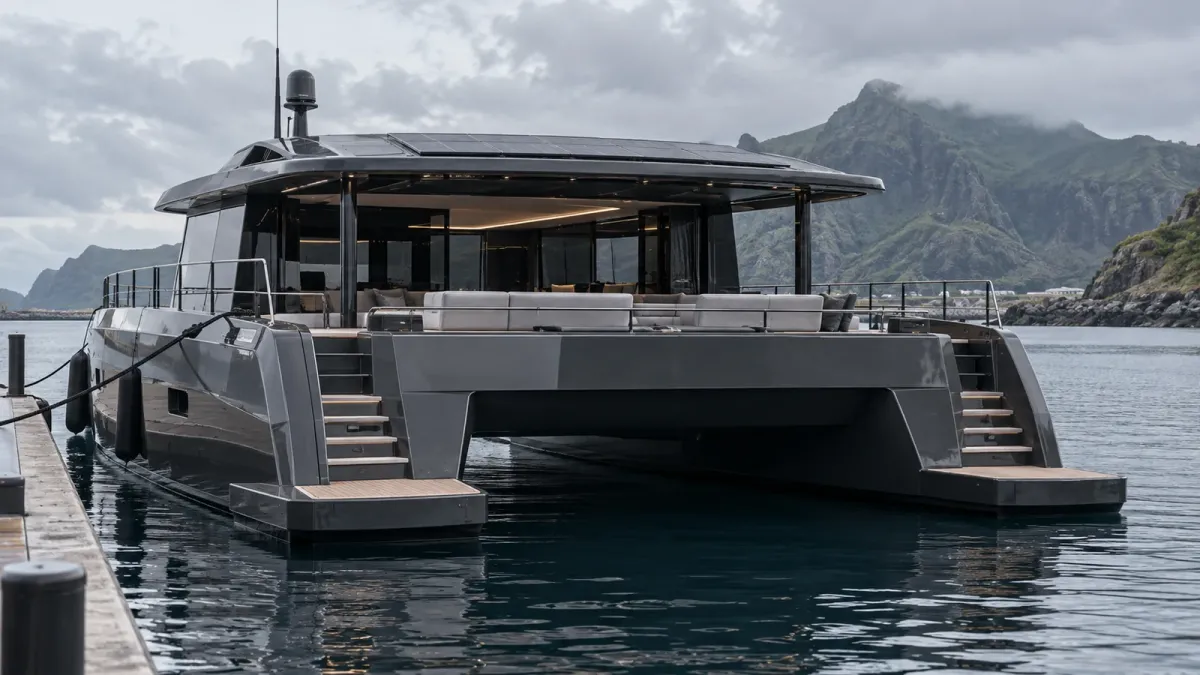
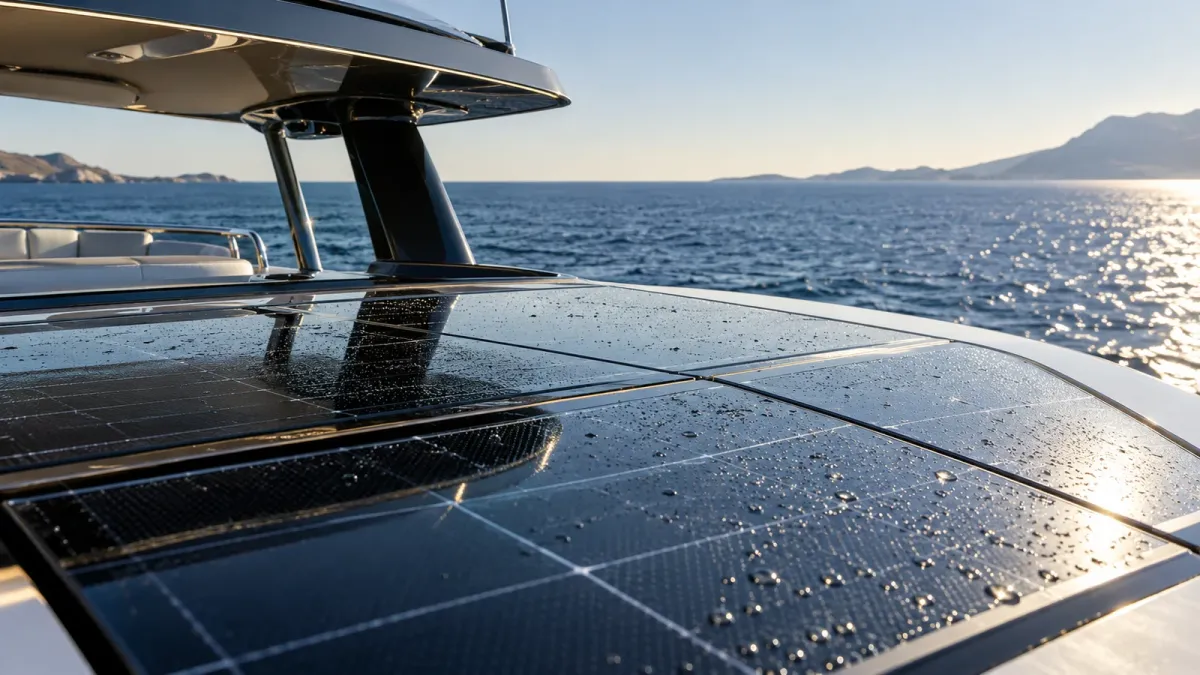
A solar-electric yacht charter can offer a different kind of luxury: breakfast without a generator rumbling nearby, a quiet evening saloon and less dependence on running engines for everyday comfort. The useful question is how the particular yacht will deliver that experience on your route. A solar roof alone cannot tell you how long the batteries will last, which appliances can run together or whether the generators will start before dawn.
This guide approaches electric yachting from a charter guest's perspective. It explains what to ask before paying a premium, how to compare quotations and how to distinguish an attractive engineering specification from an experience you will actually notice during a week aboard.
Why this belongs on your charter shortlist
Sunreef's current brand and collection overview places electric propulsion, integrated solar generation and energy management within its yacht offering, including charter services. That provides a concrete international product signal for this topic. It does not establish that electric yachts dominate charter bookings or that every model has the same capability.
For guests, the decision should begin with priorities. If your ideal week includes long periods at anchor, reading, swimming and short passages, ask whether the yacht can cover those periods quietly. If the holiday requires fast travel between distant islands every day, request a realistic energy plan for that itinerary. The same boat can deliver very different results under those two patterns of use.
Understand what the description actually means
The words solar, electric and hybrid describe different elements of a system. Solar panels generate electricity when conditions permit. Batteries store energy. Electric motors turn the propellers. A yacht can combine all three with diesel generators, which supply electricity when renewable generation and stored energy are insufficient. Ask the operator to identify which sources will normally be used during your week.
Sunreef's page for One Planet, for example, describes integrated solar panels, electric propulsion and generators. This illustrates why the presence of an electric drivetrain should not be interpreted as a promise that fuel will never be used. Specifications also vary between individual builds, so a brochure for a similar yacht cannot replace the charter yacht's own equipment list.
Ask about quiet hours before asking about range
Guests often notice the onboard environment more than the propulsion architecture. Ask the captain which spaces remain quiet when the yacht is at anchor and whether air conditioning can operate from batteries overnight. Establish the conditions attached to any estimate: outside temperature, cabin occupancy, battery charge at bedtime and which appliances remain in use.
A claim of eight silent hours is only useful if it describes your expected conditions. A mild evening with a few occupied cabins differs from a hot night with every cabin cooling, a busy galley and other electrical equipment running. Request the captain's operating experience rather than a headline copied from a different model. Also ask what happens when the quiet period ends and how generator operation is managed around sleeping guests.
A simple energy worksheet
Use a small calculation to understand the conversation, not to operate the yacht. Suppose the captain confirms that 90 kWh is available for overnight hotel loads after protecting the required reserve. If the average combined load is 10 kW, the arithmetic gives nine hours. At 15 kW, the same energy gives six hours. Both are hypothetical examples, not measured performance for a charter yacht.
The calculation is available energy divided by average power demand. Charging losses, changing loads and operating limits mean a real estimate needs the captain's figures. Do not use nominal battery capacity as if every stored kilowatt-hour were available for guest appliances. The yacht may need energy for manoeuvring, essential systems or a reserve that should remain untouched.
Solar generation requires a separate daily estimate. Installed peak power is not a promise of that output throughout the day. Shade from the rig, cloud, orientation and system losses matter. Ask for actual daily energy records from comparable operating conditions, expressed in kWh, rather than multiplying the panel rating by every hour of daylight.
Compare the complete charter bill
Start with equivalent yachts, dates, cabins and service levels. A higher base fee might reflect a newer yacht, more space or a different crew arrangement as much as its energy system. Ask for each quotation to show what is included, which operating expenses are additional and how those expenses will be documented.
Lower fuel use does not automatically mean a lower total holiday price. If one quote is €8,000 higher before expenses, an expected €2,000 reduction in fuel does not remove the difference. That example is deliberately simple and uses invented amounts. Its purpose is to keep the premium visible so you can decide whether quiet accommodation and the other features justify it.
Where an advance provisioning allowance applies, ask how the captain accounts for energy expenses, marina electricity and fuel. An allowance is money advanced for eligible expenses under the contract; it should not be added again as a separate consumed cost when calculating the final bill. Our charter cost guide explains the wider budget structure.
Choose a route that supports the experience
Discuss how much time you actually want underway. A compact cruising area can make a relaxed schedule easier to deliver, but route selection still depends on weather, access and suitable overnight positions. Ask for a preferred itinerary and an alternative that the captain would use if conditions change. Both should reflect the yacht's capabilities.
Charging should be part of that discussion. Confirm whether the proposed berths offer a suitable electrical supply and whether charging is expected during the holiday. A shore connection is useful only when its capacity, availability and compatibility fit the yacht. Do not assume that a familiar marina can provide the same charging arrangement as the yacht's home berth.
Evaluate sustainability claims carefully
Separate a specific operating benefit from an overall environmental claim. A battery-powered period at anchor can reduce local exhaust during that period. It does not, by itself, describe the origin of the electricity, the yacht's construction impact or the fuel used elsewhere in the trip. Ask for the actual operating pattern and avoid treating a label as a complete assessment.
You can also make practical choices that do not require a particular propulsion system. Discuss a shorter route, sensible provisioning, refillable drinking water arrangements where appropriate and local conservation practices. These decisions belong alongside the boat's technology. They should support the holiday rather than become a list of unsupported promises about a supposedly impact-free voyage.
Questions to send with your enquiry
Ask the broker for the exact yacht's system description, expected generator schedule and a realistic overnight battery estimate. Include your guest count, dates, preferred cabin temperatures and anticipated cruising time. Ask which requirements the captain can confirm and which remain dependent on weather or the final itinerary. This gives the operator enough information to answer usefully.
Then compare the response with a conventional yacht offering the same accommodation. The strongest choice is the one that explains its limits clearly and meets your priorities within the total budget. For some groups the premium will buy a noticeably calmer onboard experience. For others a well-chosen conventional yacht and a gentler itinerary will satisfy the brief just as well.
Sources and editorial notes
- Sunreef: brand and collection overview — product and charter context; not a demand-volume dataset.
- Sunreef: One Planet — manufacturer description of solar generation, electric propulsion and generators.
- Editorial note: numerical worksheets use hypothetical inputs, not current charter quotations. Confirm yacht-specific capabilities, costs and arrangements with the operator.