Yacht Charter Trends in 2026: Slow Travel, Privacy and Personal Itineraries
Yacht charters are shifting toward longer stays, quieter destinations and more personal experiences. Here is what 2026 market signals mean for planning your next trip.
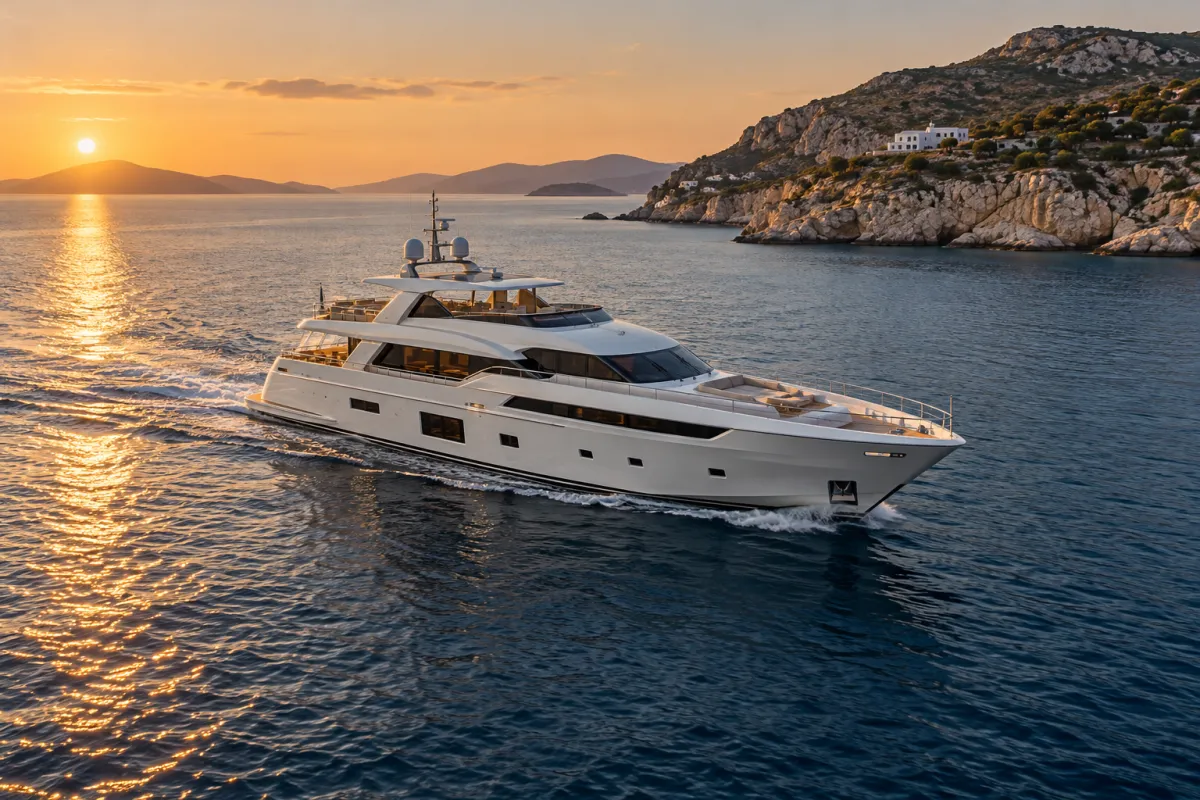
Luxury yacht travel in 2026 is becoming less about ticking off as many ports as possible and more about having the time and freedom to enjoy each place. Recent charter reports point to longer trips, more flexible planning and a stronger interest in privacy, wellness and local experiences. These are emerging patterns, not rules for every traveler, but together they show how expectations are changing.
1. Slower itineraries are replacing the port-hopping checklist
For years, a one-week charter often meant moving almost every day. Now some experienced guests are asking for longer trips, repeat visits to favorite cruising grounds and more unplanned time at anchor. Yacht.com describes this shift as treating the yacht more like a floating home than a hotel, while a recent Monaco Yacht Show report quoted Sanlorenzo's chief executive saying that some owners are using their yachts for around 120 days a year. That figure is one builder's observation, not a global usage average, but it reflects the appeal of spending more time aboard.
Charter data also shows stronger demand. Burgess reported that charter days booked in its own business rose 35% in 2025 compared with 2024, from 4,432 to 5,970. The numbers describe Burgess bookings rather than the whole market, but they support the wider signal that guests are making more room in their calendars for time at sea.
A slower itinerary does not have to mean doing less. Staying longer can leave room for a weather change, a beach day, a local meal ashore or an extra night in a quiet anchorage. When planning, agree on a few priorities with your captain and leave open space between them. A route with fewer transfers may suit your group better than a long list of stops.
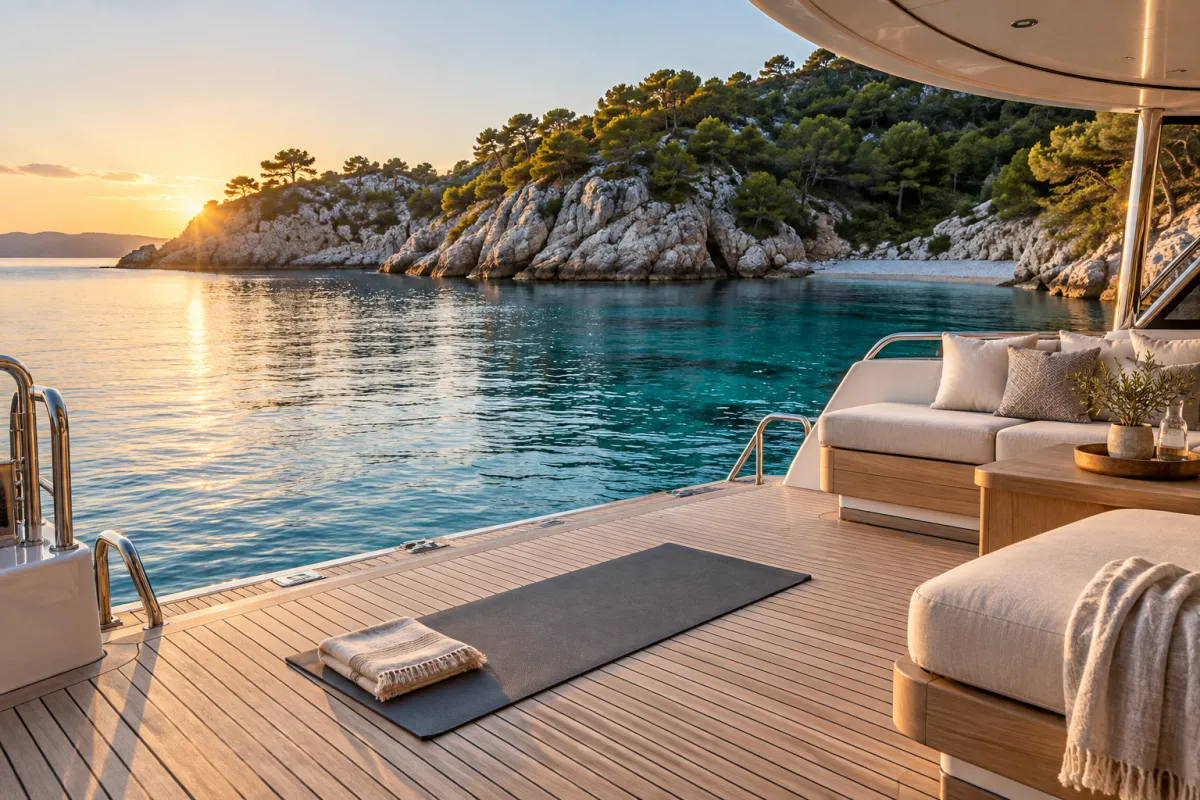
2. Privacy is shaping where and when people cruise
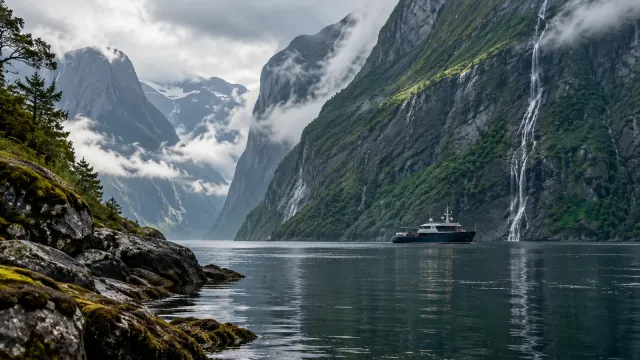
Privacy remains one of the clearest reasons travelers choose a private yacht. In its 2026 charter outlook, IYC points to interest in less crowded destinations, shoulder-season trips and remote cruising areas such as Norway, Indonesia and the Galápagos. The idea is simple: guests want access to beautiful places while avoiding the busiest anchorages and peak-hour routines.
That does not mean every charter needs to head far offshore. In popular regions, a captain can often build a quieter trip by shifting the schedule, choosing less visited bays and spending more time away from the busiest ports. Weather, local regulations, marina availability and the yacht's range still determine what is practical. Ask your broker and captain to compare the privacy, conditions and logistics of each option before you settle on a route.
3. Personal experiences matter more than a standard itinerary
Guests increasingly want a trip built around their interests: local food, history, family time, diving, hiking or simply switching off. IYC's 2026 trend outlook highlights cultural immersion, wellness and multigenerational journeys. Y.CO likewise points to tailored dining, crew expertise and meaningful experiences as important parts of a charter.
On board, that could mean arranging a local chef or a wellness session. Ashore, it might be a guided visit with a local expert, a market stop or a quiet walk in a village. The best plan depends on the people traveling and the places they want to understand, rather than a generic list of attractions.
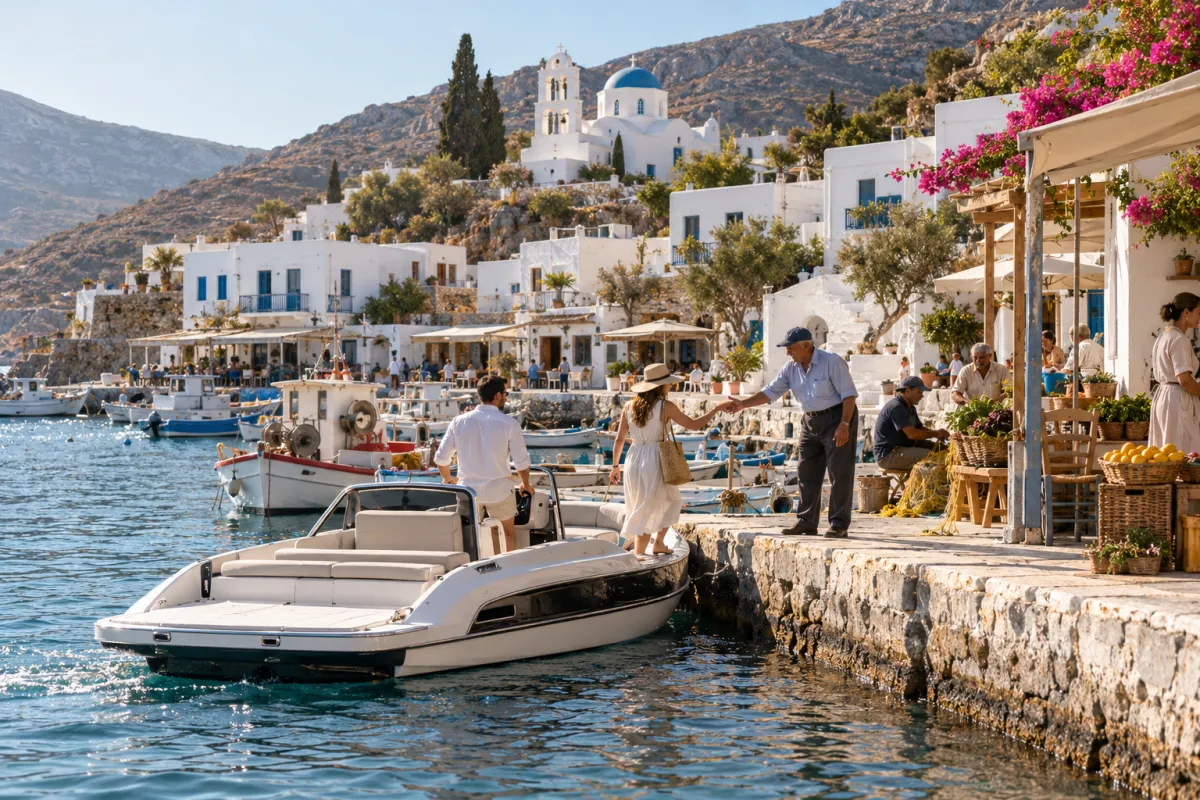
4. Booking flexibility is valuable, but late planning has limits
IYC's first-half 2026 market update says clients were booking closer to departure and paying more attention to value, flexibility and itinerary. In the same report, Greece led its East Mediterranean summer bookings. These are IYC's figures for its own business, not a complete count of all charters. They still offer a useful reminder: travelers may want flexibility, while the most sought-after yachts and dates remain subject to availability.
If your dates are fixed or you need a particular yacht, start early. If you can travel outside the busiest weeks or adjust your route, tell your broker; that flexibility may open up more choices. Confirm what the charter price includes, what expenses are charged separately and how changes to dates or itinerary are handled.
How to plan a charter around these trends
- Choose a pace: decide whether the group wants several destinations or longer stays in fewer places.
- Pick a reason for the trip: family time, local culture, wellness, water sports or a mix.
- Discuss quieter dates and routes: shoulder-season travel can change the feel of a destination, but check weather and operating conditions.
- Build in flexibility: agree on must-see stops while allowing the captain to adapt to conditions.
- Review the full budget: ask about the charter fee, provisions, fuel, taxes, crew gratuities and any local charges before booking.
What these 2026 trends mean
The direction of travel is toward more personal, less hurried yacht holidays. Longer stays, quieter routes and experiences connected to local culture are appearing in broker reports and industry commentary. The exact demand varies by company, yacht, destination and season, so treat published figures as useful signals rather than guarantees. Start with what your group wants from the trip, then shape the yacht and itinerary around it.
Sources
- IYC — Yacht Charter Market and IYC Performance, First Half of 2026
- Burgess — What an increase in charter days booked reveals about the future of yacht charters
- IYC — The Yacht Charter Trends Defining 2026
- Wallpaper* — Yacht launches and design signals from Monaco Yacht Show 2026
- Yacht.com — Why seasoned yacht charterers are taking longer trips