50-Foot Yacht Dimensions: Layout, Beam and Draft
Compare real 50-foot yacht dimensions, understand beam, draft and air draft, and use a practical checklist for layout, marina fit and haul-out planning.
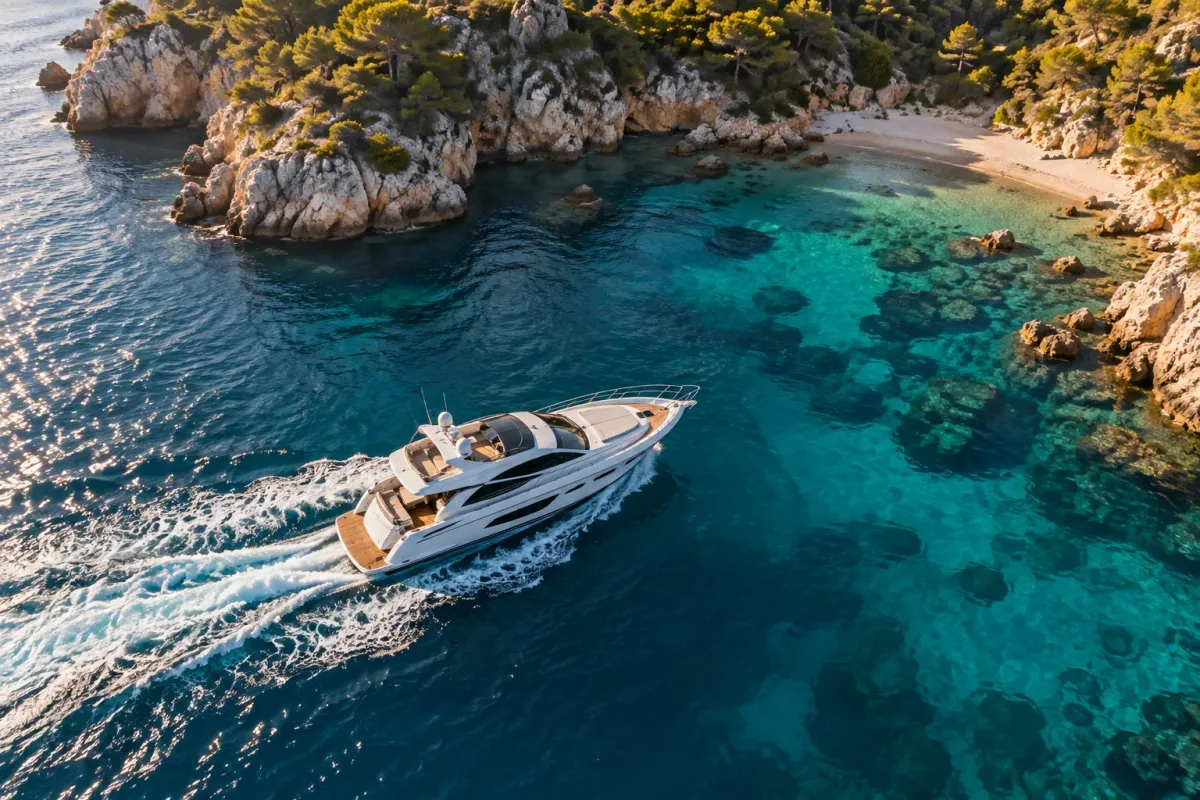
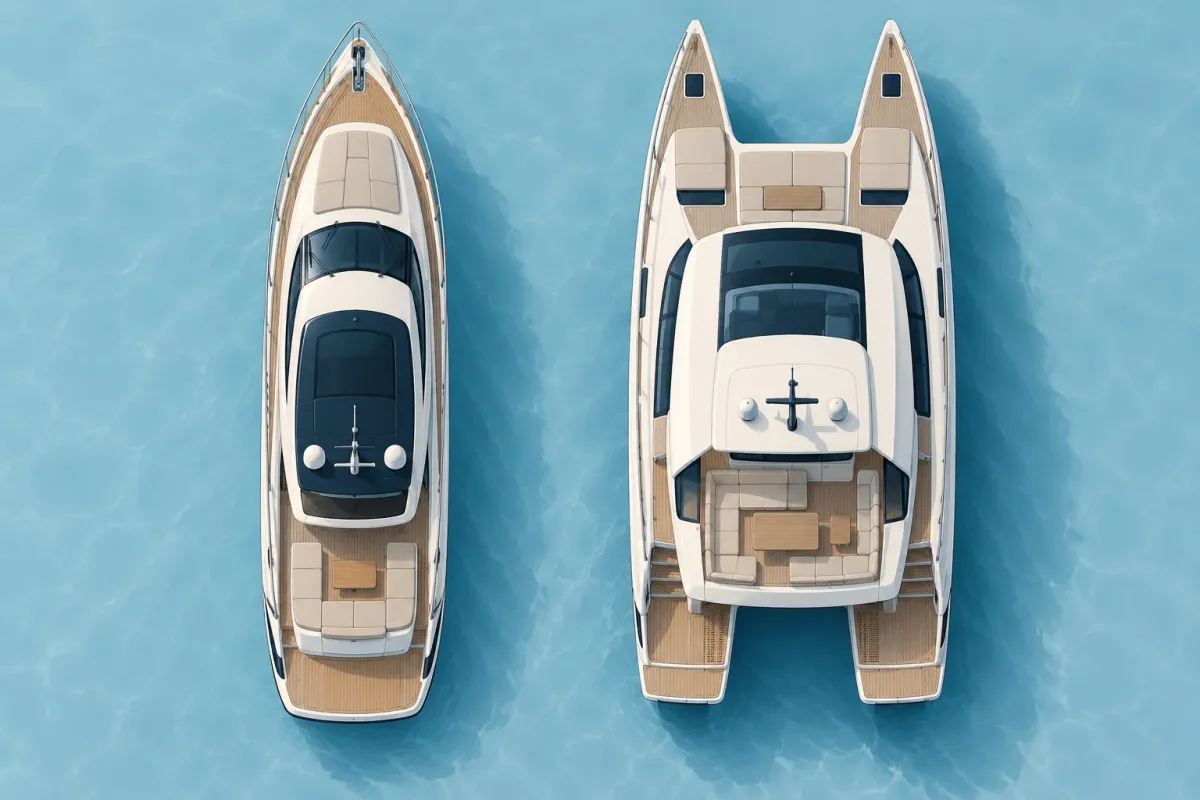
A “50-foot yacht” is a size class, not a standard blueprint. A flybridge motor yacht in the mid-50-foot range may be just under five metres wide; a power catamaran with a similar advertised length can be more than seven and a half metres wide. Both may be called a 50, yet they need different berths, routes and storage plans.
This guide explains the dimensions to compare, how layouts use the available space, and what to check before choosing a berth or planning a haul-out. The figures below belong to named models and manufacturer documents. They are examples, not class averages.
Quick answer: how big is a 50-foot yacht?
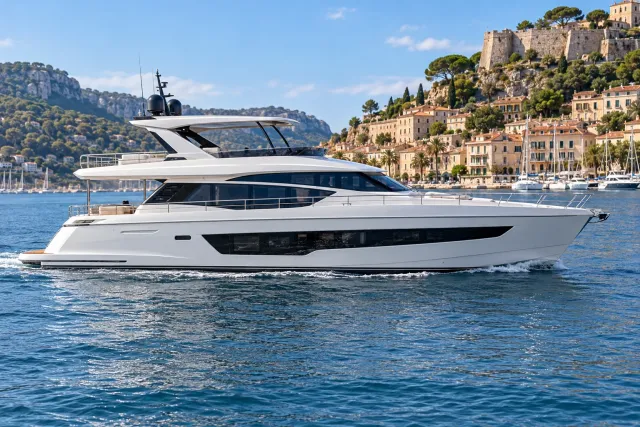
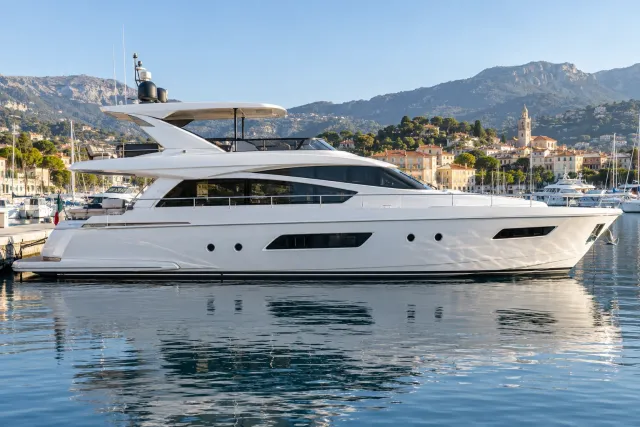
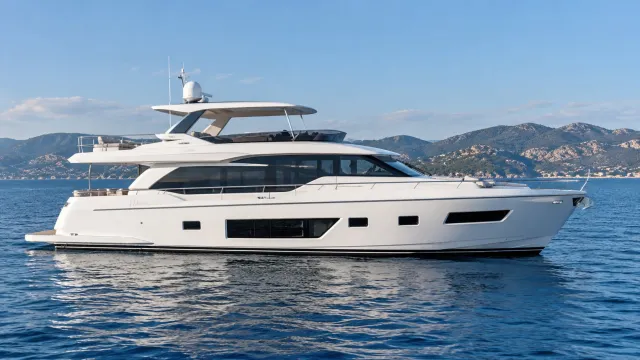
Fifty feet equals 15.24 metres. Published examples marketed around this class show why the model name does not guarantee exact length. Azimut lists its Fly 53 at 16.78 metres (55 feet 1 inch) overall including the pulpit, with a maximum beam of 4.95 metres (16 feet 3 inches). Sunseeker’s 2025 Manhattan 55 brochure lists 17.21 metres (56 feet 6 inches) overall, a 4.87-metre beam (16 feet) and a 1.37-metre draft (4 feet 6 inches).
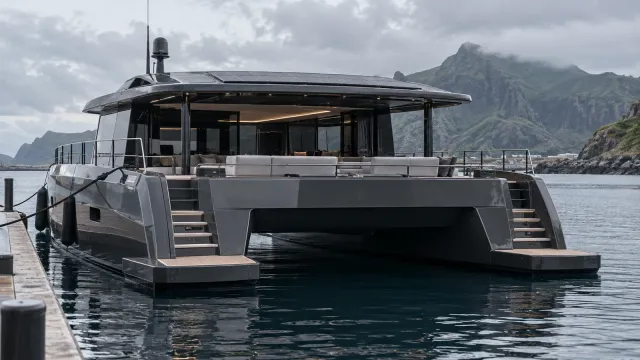
Hull type can have an even greater effect on footprint. Aquila lists its 50 Yacht power catamaran at 15.9 metres (52 feet 2 inches) overall and 7.76 metres (25 feet 6 inches) in beam. Its published specification sheet gives a 1.26-metre draft with the sacrificial keel installed. Review the current documents for the exact model and options: Azimut Fly 53 specifications, the Sunseeker 2025 Manhattan 55 brochure and the Aquila 50 Yacht product page.
For a real purchase or berth, use the exact boat’s LOA, beam, draft, air draft and displacement. Do not plan from the number printed in the model name alone.
What each dimension tells you
- Length overall (LOA): the quoted end-to-end length. Check whether it includes a pulpit, swim platform or other fittings, and how the marina measures billable length.
- Beam: the widest point of the hull. It affects slip width, marina access, side clearance, transport and lift limits. Catamarans have two hulls joined by a wide deck, so their beam can be much larger than a monohull’s at similar LOA.
- Draft: the distance from the waterline to the lowest underwater point. Props, pods, rudders, keels, loading and measurement method all matter. Aquila’s cited draft is conditional on its sacrificial keel being installed.
- Air draft: height above the waterline to the highest fixed point. Radar, antennas, hardtops and other options can affect bridge clearance.
- Displacement: the yacht’s weight under a stated condition. Check whether a figure is lightship, half load or fully loaded before comparing it or booking a lift.
Monohull and catamaran footprints
The three examples above span beams from 4.87 to 7.76 metres. That range is not a universal allowance; it demonstrates how much hull form matters. A monohull may fit a conventional slip intended for a single hull. The broad bridge deck of a catamaran can create a different interior plan and more usable width, while requiring a wider berth and more room to manoeuvre into it.
Beam is only one part of marina fit. Fenders, finger piers, neighboring boats, turning space, wind exposure and the marina’s own policies affect the berth. Ask the marina to confirm a specific boat’s fit and any separate pricing or access rules for catamarans.
Cabins and onboard layout
Cabin counts vary by model and option. Azimut lists three guest cabins plus one crew cabin on the Fly 53. Aquila lists a standard three-cabin configuration with a utility room and an optional four-cabin arrangement for the 50 Yacht. These two examples show why a listing’s guest capacity alone does not tell you whether the boat suits your family or crew.
Study the general arrangement (GA) drawing for the exact boat. Check:
- owner’s cabin size, location, privacy and storage;
- guest cabin berths and bathroom access;
- whether a crew cabin or utility room is included, optional or converted to another use;
- the route between galley, salon, cockpit and helm;
- headroom, natural light, ventilation and engine-room access;
- where the tender, water toys, batteries and technical equipment are stowed.
Flybridge, cockpit, bow seating and a hydraulic platform may make the outdoor spaces feel generous, but they also shape circulation and storage. Ask for the plan and option list corresponding to the hull identification number or the exact build specification you are considering.
Berth, bridge and cruising access
Before reserving a berth, provide the marina with exact LOA and beam and confirm what those values include. Ask about the slip’s clear dimensions, entrance width, turning basin, controlling depth, crosswind exposure and shore-power requirements. For a catamaran, verify that the marina can accommodate the full beam through both the entrance and the slip.
For route planning, compare the boat’s loaded draft and underwater appendages with the shallowest expected water. Use current charts, local notices and tide information, and leave appropriate under-keel clearance for conditions and depth uncertainty. If a route passes under bridges or cables, establish actual air draft with installed equipment and verify the clearance at the expected water level.
Haul-out and storage
Contact the yard before booking a lift. Provide the exact model, beam, draft, expected displacement, hull type and known lifting points. Confirm travel-lift capacity and opening width, sling position, cradle or blocking method and hardstand availability. Catamaran spacing, propellers, pods, rudders and other appendages may affect the yard’s support plan. The yard should approve the arrangement for the individual vessel.
For indoor winter storage, check the total height on the cradle. Air draft afloat does not equal the height of a yacht once it is lifted and blocked ashore.
50-foot yacht dimensions checklist
- Get the current manufacturer specification and GA plan for the exact model year and options.
- Confirm LOA, beam, draft, air draft and displacement, including definitions and loading conditions.
- Ask the marina to check berth dimensions, access route, depth, handling room and hull-type policies.
- Review bridge and channel limits using actual configured dimensions and current navigation information.
- Have the haul-out yard confirm lift capacity, slings, cradle, blocking and storage height.
- During a survey, verify that equipment and appendages match the documents and disclose planned additions.
Dimensions and annual ownership costs
Length and beam help determine berth and storage choices, but they do not produce a reliable annual budget by themselves. Hull design, engines, cruising speed, engine hours, location, equipment and condition all change fuel and service costs. For budgeting, see our 50-Foot Yacht Annual Cost Guide and request current quotes for the actual boat and cruising area.
Frequently asked questions
Is a 50-foot yacht exactly 50 feet long?
Not necessarily. Model names are rounded or refer to a product class. The cited examples range from 52 feet 2 inches to 56 feet 6 inches in published overall length.
How wide is a 50-foot yacht?
Beam depends on the specific boat and hull type. The cited monohull examples are just under five metres wide, while Aquila’s 50-foot-class power catamaran is listed at 7.76 metres.
How many cabins does a 50-foot yacht have?
It depends on the model and configuration. Compare the GA plan, guest berths, bathroom access and any crew or utility space for the exact vessel.
Is a 50-foot catamaran easier to berth than a monohull?
Not in every marina. Its shallow draft or handling features may suit some routes, but its wider beam can limit berth choice. Ask the marina to confirm both the access route and slip dimensions.